

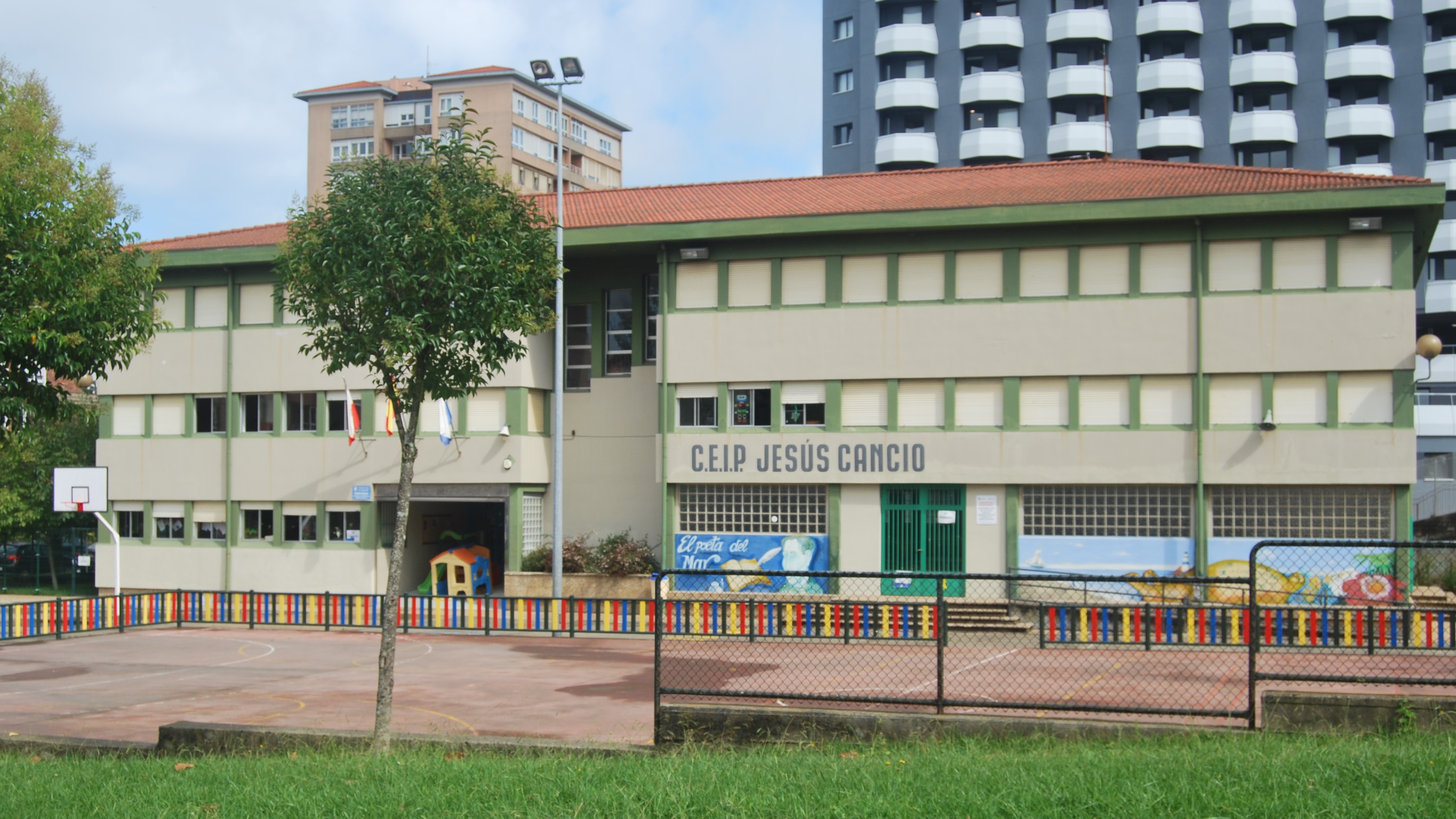
With the support of the European Social Fund Plus (ESF+), Cantabria (Spain) has expanded a project aimed at meeting the mental health needs of students. Originally focused on secondary school students, the Educational-Therapeutic Classroom now includes primary school children, making sure younger students can also benefit from this important resource.
Meeting essential needs
The Educational-Therapeutic Classroom, located at CEIP Jesús Cancio in Santander, offers a temporary and specialised environment where students with severe behavioural or emotional challenges can continue their education. It is specifically designed for students whose needs cannot be met in a regular school setting.
The classroom helps children and young people stay in education, explains Óscar Fernández, Director General of Planning at the Ministry of Health. ‘For children with more serious mental health problems, a hospital or medical setting may be more appropriate,’ he says. He also highlighted that the classroom is not a permanent solution: ‘This classroom is meant to be a short-term option. It’s a place where students can get the support they need to recover and return to their regular schools with their classmates.’
The recent expansion to include primary school students ensures that younger children can also receive personalised educational and therapeutic care.
A key initiative for inclusion
The Educational-Therapeutic Classroom is an ESF+ project of strategic importance for Cantabria. It reflects the region’s commitment to improving mental health care for young people. Sergio Silva, Minister of Education, Universities, and Vocational Training, stressed the importance of the initiative during a recent visit: ‘Meeting the mental health needs of our students is one of this government’s top priorities. Promoting diversity and inclusion isn’t just a goal – it’s a key part of our roadmap for the future.’
The project also involves close cooperation between the education and health systems. The Cantabrian Health Service provides therapy and supervises the care of the students while coordinating with the child and adolescent mental health network.
Driving change with EU funding
Inspired by similar programmes in neighbouring Euskadi, the project has been adapted to Cantabria’s needs. It is co-financed by the ESF+, with €1.2 million from the European Union and €837 600 from the Government of Cantabria for the 2023–2029 period.
Ana Pereiro, the project manager, highlighted the crucial role of EU funding:
‘The European Social Fund has made it possible to start projects like this as pilots. These initiatives meet real needs that weren’t being addressed before and have the potential to continue in the future.’
Building a brighter future
The programme has already delivered encouraging results, with students showing improvements in managing emotions and building self-confidence. Workshops that focus on personal and social skills are an important part of the support, alongside individual therapy and teaching.
The demand for child and adolescent mental health services rose sharply during the pandemic, and while it has now stabilised, there is still a need for new solutions. Cantabria’s focus on creating inclusive education for all – starting with primary school students – is a strong example of how communities can respond to mental health challenges in young people.
By giving students the support they need to succeed in school and in life, this important initiative reflects the EU’s commitment to promoting well-being and inclusion across its regions.
Project details
- Project name
- Educational therapeutic classrooms
- Tíortha
- Spain
- Eagraíocht
- Government of Cantabria
- Project start
- 2023
- Project end
- 2029
- Contact details
- José Luis Blanco López (Director General of Educational Equity, Quality, and Academic Organization)
- Total budget
- EUR 2 094 000
- EU Budget contribution
- EUR 1 256 400

